

Merchants entering Bangladesh often begin by asking which card processor to use. That is the wrong starting point. In a country of more than 170 million people where mobile money accounts far outnumber active bank accounts, cards are a thin urban layer and most customers pay from a wallet on their phone. Choosing a payment gateway bangladesh is therefore mainly a question of wallet coverage, bank transfer support and how well the provider handles taka settlement and payouts, not of card acceptance rates.
How Bangladesh is Actually Pay
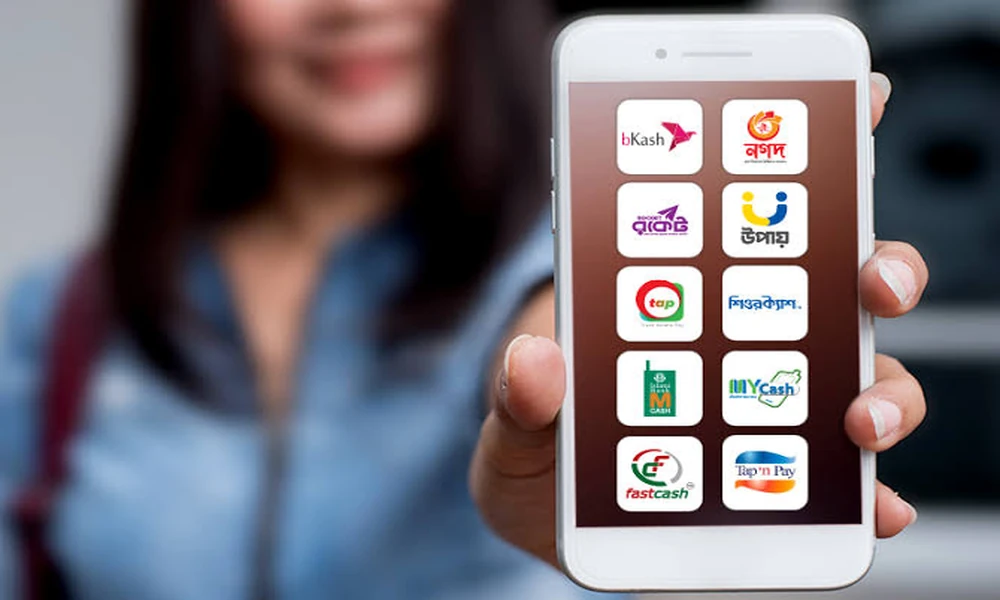
Mobile financial services sit at the centre of daily payments. bKash is among the largest mobile money services in the world, and “send it by bKash” is everyday language for moving money. Nagad has grown quickly as a challenger, and Rocket remains a long-running third option. Agent networks across the country let people turn cash into wallet balance and back again, which means even customers without bank accounts can pay online. A checkout that leaves these methods out excludes most of the market.
The Bank Rails Behind the Scenes
Banked customers still matter, particularly for higher-value transactions. The National Payment Switch Bangladesh (NPSB) carries real-time interbank transfers, while the Bangladesh Electronic Funds Transfer Network (BEFTN) handles batch transfers. Major banks include Dutch-Bangla Bank, BRAC Bank, Islami Bank and City Bank. A provider that supports both mobile wallets and bank rails gives customers a fallback when one method is unavailable or a transaction exceeds a wallet limit.
Methods Worth Supporting at Checkout
For most online merchants, a practical Bangladesh checkout covers a small set of methods well rather than many methods poorly:
- bKash, which most customers will look for first
- Nagad, which has a large and growing user base
- Rocket, for customers of its parent bank and long-time users
- Bank transfer over NPSB for larger amounts
Remittances and Wallet Balances
Bangladesh receives substantial remittances from workers abroad, and much of that money lands in mobile wallets. This keeps balances topped up and wallet habits strong, even in rural areas. For merchants, it means customers often have funds ready in the wallet rather than in a bank account. It also explains why payment volumes can rise around festival periods, when families send and spend more.
Currency and Settlement
Transactions are in Bangladeshi taka, and merchants need to understand how funds are converted and settled into their own currency. Ask any payment gateway bangladesh provider how settlement works, how often funds are paid out, what exchange rate is applied and what fees are deducted along the way. Settlement timing affects cash flow, and unclear conversion terms can quietly erode margins. Some providers also offer settlement in stablecoins such as USDT, which may suit some business models but brings its own regulatory questions.
Payouts and Refunds
Accepting money is only half of the job. Many businesses also need to send money back, whether for refunds, marketplace payouts or customer withdrawals. Payouts to bKash, Nagad and bank accounts should be fast and traceable. Ask how payouts are validated before sending, how failed payouts are handled and how quickly customers usually receive funds. Slow or unreliable payouts damage trust faster than almost anything else.
Integration and Reconciliation
A good gateway reduces engineering work rather than adding to it. Look for a single API covering all supported methods, clear documentation and a test environment. Real-time notifications, usually through signed webhooks, confirm payments without the merchant having to poll for status. Unique payment references and automatic matching mean every incoming payment is credited to the right order without manual review. These features matter more as volumes grow.
Reliability and Downtime
Wallet and bank systems sometimes have maintenance windows or degraded performance, often at inconvenient times. A provider that monitors channel health and routes customers to an alternative method when one is failing protects conversion. Ask what happens when a payment attempt fails: does the customer see an error page, or are they offered another way to pay straight away? Recoverable failures can make a noticeable difference to completed payments.
Compliance and Legal Considerations
Bangladesh has its own rules on foreign exchange, cross-border payments and what types of business can collect funds locally. Merchants should take local advice on whether their product can legally be sold to Bangladeshi customers and how revenue can be repatriated. A reputable provider will carry out know-your-customer checks on the merchant and may restrict certain business types. Treat those checks as a sign of a properly run service, not an obstacle.
Questions to Ask Providers
Before signing, it helps to compare providers on the same points:
- Which wallets and bank rails are live today, not just planned?
- What are the transaction limits for each method?
- How and when are funds settled, and in which currency?
- How are payouts and refunds handled?
- What support is available outside business hours?
Making the Decision
Start from how your customers pay, which in Bangladesh means wallets first and bank transfer second. Choose a provider with proven coverage of bKash and Nagad, reliable bank rails for larger amounts, clear settlement terms and dependable payouts. Test the checkout yourself on a mobile phone before launch. A guide to accepting payments in Bangladesh that covers wallets, bank rails and settlement in detail is a useful reference when comparing what each provider actually offers.