



Let me be honest. The first time I decided to buy Ethereum, I had at least fifteen tabs open. One article was too technical. Another sounded like a finance textbook. And a few felt like they were written by robots who had never actually bought crypto themselves.
So let’s do this differently. If you’re here, you probably don’t want hype. You don’t want complicated blockchain jargon. You just want to understand how to buy Ethereum, what it actually means, and whether it even makes sense for you. Let’s talk about it like normal people.
First Things First What Are You Actually Buying?
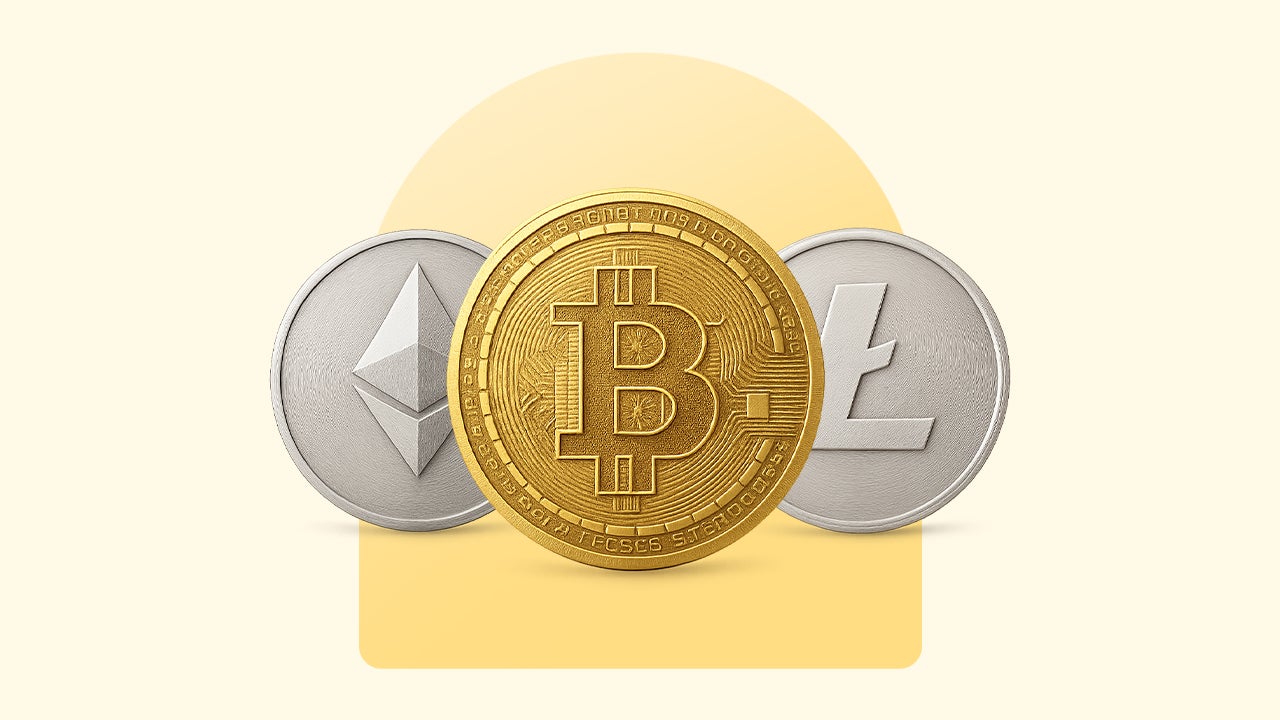
When you buy Ethereum, you’re buying ETH the digital currency that runs on the Ethereum network.
Now here’s the simple version of what that means:
Ethereum is like a giant digital system where developers build apps that don’t rely on banks or big tech companies to operate. These apps run using code, and ETH is the fuel that keeps everything working. So ETH isn’t just “internet money.”
It’s used to:
- Pay transaction fees
- Power decentralized finance apps
- Mint and trade NFTs
- Interact with blockchain games
- Run smart contracts
That’s why people see value in it. It’s not just speculation – it’s utility.
Why Do People Decide to Buy Ethereum?
Different reasons. Not everyone is trying to “get rich quick.”
Some buy Ethereum because:
- They believe blockchain tech is still early.
- They want exposure to crypto beyond Bitcoin.
- They use apps that require ETH.
- They’re diversifying their investment portfolio.
- They see long-term growth potential.
Others simply want to learn by doing. Owning a small amount makes the whole ecosystem feel more real.
And that’s completely valid.
Let’s Talk About the Risk (Because It’s Real)
Before you buy Ethereum, you need to understand something important.Crypto moves fast.
Prices can rise quickly. They can fall quickly. News, regulations, market sentiment everything affects it. If seeing your investment drop 15% in a week would make you panic, start small. Very small.
Never invest money you’ll need for rent, bills, or emergencies. Ethereum can be a long-term asset but only if you treat it responsibly.
Okay, So How Do You Actually Buy Ethereum?
The process itself isn’t complicated anymore. It’s much easier today than it was years ago. Here’s what it usually looks like:
Step 1: Choose a Reputable Exchange
This is where you’ll create your account and make the purchase.
You want an exchange that is:
- Secure
- Transparent with fees
- Easy to use
- Available in your country
If you need a clear walkthrough, this guide explains the steps in a simple format
It breaks down the process from account setup to completing your first purchase.
Step 2: Create Your Account
You’ll sign up with your email, create a password, and verify your identity. The identity verification part (often called KYC) is standard now. It helps prevent fraud and keeps platforms compliant with regulations. It usually takes just a few minutes.
Step 3: Add Funds
Once your account is ready, you deposit money.
Most exchanges support:
- Bank transfers
- Debit cards
- Credit cards
- Regional payment options
Choose what feels easiest and check the fees before confirming.
Step 4: Buy Ethereum
Now the actual part you came for. Search for ETH on the platform. Enter how much you want to invest.
Choose your order type:
- Market order (buys immediately at current price)
- Limit order (you set the price you want)
Confirm the transaction. And that’s it. You officially own Ethereum. No secret handshake required.
Where Does Your Ethereum Go After You Buy It?
This part confuses beginners. When you buy Ethereum, it sits in your exchange wallet by default.
That’s fine if:
- You plan to trade regularly.
- You’re holding a small amount.
- You’re comfortable with the platform’s security.
If you plan to hold long term, you might consider moving it to a personal wallet.
There are two types:
- Hot wallets – connected to the internet, convenient but slightly more exposed.
- Cold wallets – offline hardware devices, considered safer for long-term storage.
You don’t need to overthink this on day one. Just understand your options.
What About Fees?
Yes, there are fees. Nothing crazy, but they exist.
You may see:
- Trading fees
- Deposit or withdrawal fees
- Network (gas) fees when transferring ETH
Always review the fee summary before confirming your purchase. Good exchanges show this clearly.
Is There a “Best Time” to Buy Ethereum?
If anyone tells you they know the perfect time, they’re guessing.
- Some people wait for dips.
- Some buy consistently every month.
- Some invest only during market downturns.
One popular strategy is dollar-cost averaging investing a fixed amount regularly instead of trying to time the market.
This reduces emotional decision-making, which is honestly one of the biggest mistakes beginners make.
Why Ethereum Still Matters
Ethereum has been around for years, and it continues to evolve.
Developers build on it. Major projects launch on it. Financial tools, digital art platforms, gaming ecosystems many rely on Ethereum’s infrastructure.
It’s not just a coin floating around in cyberspace. It’s a foundation layer for decentralized applications.
That’s why people continue to buy Ethereum even after market ups and downs. They’re betting on the network’s long-term role in digital innovation.
Final Thoughts Should You Buy Ethereum?
Only you can answer that.
But here’s what I’ll say:
- If you’re curious, start small.
- If you believe in blockchain innovation, research deeply.
- If you’re investing, think long term.
- If you’re nervous, learn more before jumping in.
Buying Ethereum isn’t complicated anymore. What matters is understanding what you’re buying and why.
Take your time. Use reliable platforms. Protect your account. And don’t let hype or fear make decisions for you. That’s the part most guides forget to mention.