


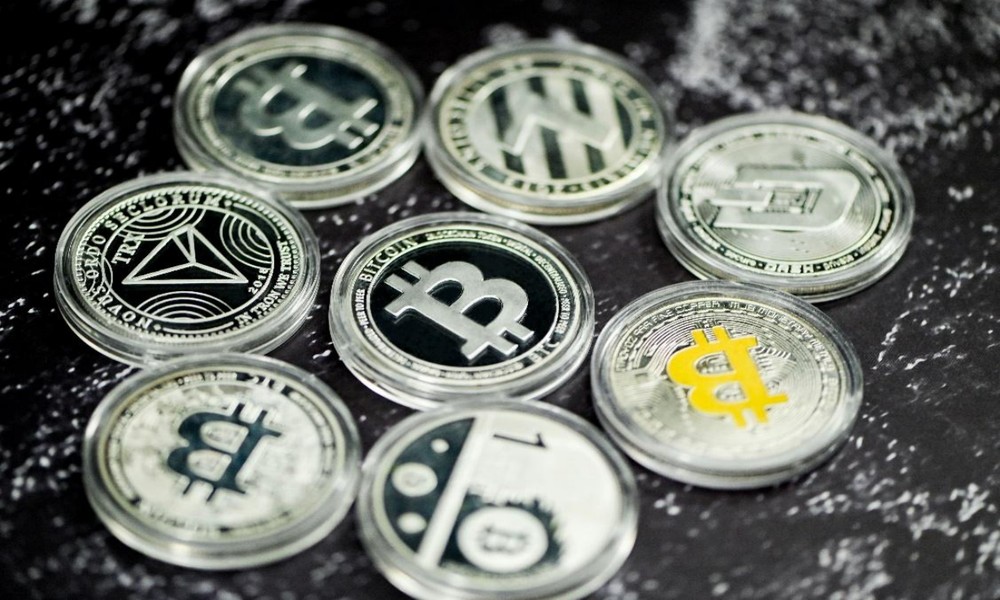

Blockchain technology has revolutionized finance by introducing decentralized platforms, offering users transparency, security, and efficiency. However, the true potential of decentralized finance (DeFi) is often hindered by the siloed nature of blockchains, which lack the ability to communicate and share data seamlessly. Blockchain interoperability-connecting disparate blockchain networks-has emerged as a game-changer, optimizing DeFi ecosystems and enhancing their global scalability.
What Is Blockchain Interoperability?
Blockchain interoperability refers to the ability of different blockchain networks to exchange data and assets seamlessly. Traditionally, blockchain ecosystems operate in isolation, limiting their utility and scalability. For instance, a decentralized application (dApp) on Ethereum cannot natively interact with a protocol on Solana.
Interoperability bridges these gaps, allowing for cross-chain transactions, asset transfers, and data sharing. This capability is transforming how developers and investors interact with DeFi platforms, creating new opportunities for consultancy for DeFi finance investments and advancing the adoption of decentralized finance globally.
How Blockchain Interoperability Enhances DeFi Ecosystems
1. Cross-Chain Liquidity
Interoperability enables DeFi platforms to pool liquidity from multiple blockchains, improving market depth and reducing slippage for traders. For instance, solutions like ThorChain and Polkadot allow users to swap assets across different blockchains without centralized intermediaries. Digital asset consulting for startups often highlights the importance of cross-chain liquidity in scaling operations.
2. Expanded Investment Options
Investors can access a broader range of assets and protocols, including altcoin investment options, without being confined to a single blockchain. This flexibility has been a focal point for cryptocurrency investment solutions and digital assets consulting firms.
3. Enhanced Security and Scalability
By distributing transactions across multiple networks, interoperability reduces congestion and enhances scalability. Interoperable systems also enable robust security frameworks, attracting institutional players like hedge fund investment companies and digital asset management firms.
Leading Interoperability Solutions in DeFi
1. Polkadot
Polkadot is a multi-chain framework that enables different blockchains to communicate and share security. Through its parachains, Polkadot supports diverse DeFi use cases, making it a preferred platform for real world DeFi investment consultants.
2. Cosmos
Cosmos focuses on creating an “internet of blockchains” where dApps can operate across multiple chains. Its Inter-Blockchain Communication (IBC) protocol facilitates seamless data sharing, appealing to blockchain asset investments consultants and portfolio management consultants.
3. Chainlink
Chainlink plays a vital role in interoperability by providing decentralized oracles that connect blockchains with off-chain data. This capability is essential for Stablecoin investment consultants and RWA DeFi investment consultants aiming to tokenize real-world assets.

Benefits of Blockchain Interoperability
1. Improved User Experience
Interoperable DeFi platforms eliminate the need for users to navigate multiple wallets, networks, and interfaces. This streamlined experience attracts both retail and institutional investors, including bitcoin investment consultants and digital asset strategy consulting firms.
2. Greater Investment Opportunities
Interoperability allows investors to diversify across chains, enhancing portfolio management. For example, digital asset portfolio management strategies can integrate Ethereum-based NFTs with Solana-based DeFi tokens.
3. Accelerated Innovation
Developers can build cross-chain applications, fostering innovation in areas like crypto asset management, real world assets crypto investment consultants, and Security tokens investment consultants.
Challenges in Achieving Blockchain Interoperability
1. Standardization
Different blockchains have unique protocols and architectures, making interoperability complex. Digital asset consulting for compliance is critical in addressing these challenges and ensuring cross-chain compatibility.
2. Security Risks
Interoperability solutions must safeguard against vulnerabilities in bridges and oracles. Partnerships with a global digital asset consulting firm can help projects implement robust security measures.
3. High Costs
Building and maintaining interoperable systems can be resource-intensive, posing challenges for startups. Blockchain asset consulting and digital asset investment solutions providers often guide early-stage projects through these hurdles.
Real-World Applications of Blockchain Interoperability
1. Cross-Chain DeFi Protocols
Interoperable platforms like SushiSwap and Uniswap are integrating multi-chain capabilities, enabling users to trade assets across different networks. This functionality appeals to crypto investment companies and digital asset management companies seeking efficient trading solutions.
2. Tokenizing Real-World Assets
Interoperability facilitates the tokenization of real-world assets (RWA), such as real estate and commodities. Real world assets on chain investment consultants and real asset tokenization investment consultants play pivotal roles in bringing these innovations to market.
3. Multi-Chain NFT Marketplaces
NFT platforms are leveraging interoperability to enable cross-chain trading of digital art, gaming assets, and more. Blockchain and digital asset consulting firms predict this trend will drive significant growth in the DeFi sector.
Statistics and Market Insights
- Market Growth: The global blockchain interoperability market is projected to grow at a CAGR of 34.2% from 2024 to 2030.
- DeFi TVL: As of Q4 2024, over $15 billion in total value locked (TVL) is attributed to cross-chain DeFi protocols.
- Adoption Rates: Platforms like Polkadot and Cosmos have witnessed a 150% annual increase in user adoption.
These trends highlight the growing importance of interoperability in enabling investment analysis and portfolio management across DeFi ecosystems.
Future Trends in Blockchain Interoperability
1. Enhanced Cross-Chain Governance
Interoperability will evolve to include unified governance mechanisms, enabling communities to make cross-chain decisions. Digital asset consulting for startups is already exploring frameworks to facilitate this shift.
2. Integration with Traditional Finance
As interoperability matures, traditional financial institutions may adopt blockchain-based systems for cross-border transactions and asset management. DeFi finance consulting services will play a crucial role in bridging this gap.
3. AI and Interoperability
Artificial intelligence (AI) is likely to optimize cross-chain operations, improving efficiency and reducing risks. RWA tokenization investment consultants anticipate that AI-driven interoperability will unlock new opportunities for tokenized real-world assets.
Conclusion
Blockchain interoperability is reshaping DeFi ecosystems by enabling seamless cross-chain interactions, expanding investment opportunities, and enhancing user experiences. From tokenizing real-world assets to creating multi-chain protocols, interoperability is unlocking the full potential of decentralized finance.
For developers, investors, and institutions, leveraging interoperability offers unparalleled opportunities to innovate and scale. Whether seeking digital asset management services or partnering with a cryptocurrency investment consultant, understanding interoperability’s role in DeFi is critical for staying ahead in this rapidly evolving landscape.
Discover the Power of Financial Knowledge
Kenson Investments provides accessible resources to help individuals understand the complexities of the financial world. Explore their educational content today and take control of your financial journey.
About The Author
The author is a passionate writer and financial analyst with extensive experience in blockchain technology and decentralized finance. With a focus on simplifying complex financial concepts, they aim to educate and empower readers on the evolving world of DeFi and blockchain innovations. Drawing from years of research and hands-on experience, the author provides insights that bridge the gap between traditional finance and emerging digital asset markets. When not writing, they enjoy exploring new technologies and their impact on the future of global finance.
Disclaimer: The information provided on this page is for educational and informational purposes only and should not be construed as financial advice. Crypto currency assets involve inherent risks, and past performance is not indicative of future results. Always conduct thorough research and consult with a qualified financial advisor before making investment decisions.
“The crypto currency and digital asset space is an emerging asset class that has not yet been regulated by the SEC and US Federal Government. None of the information provided by Kenson LLC should be considered as financial investment advice. Please consult your Registered Financial Advisor for guidance. Kenson LLC does not offer any products regulated by the SEC including, equities, registered securities, ETFs, stocks, bonds, or equivalents”